
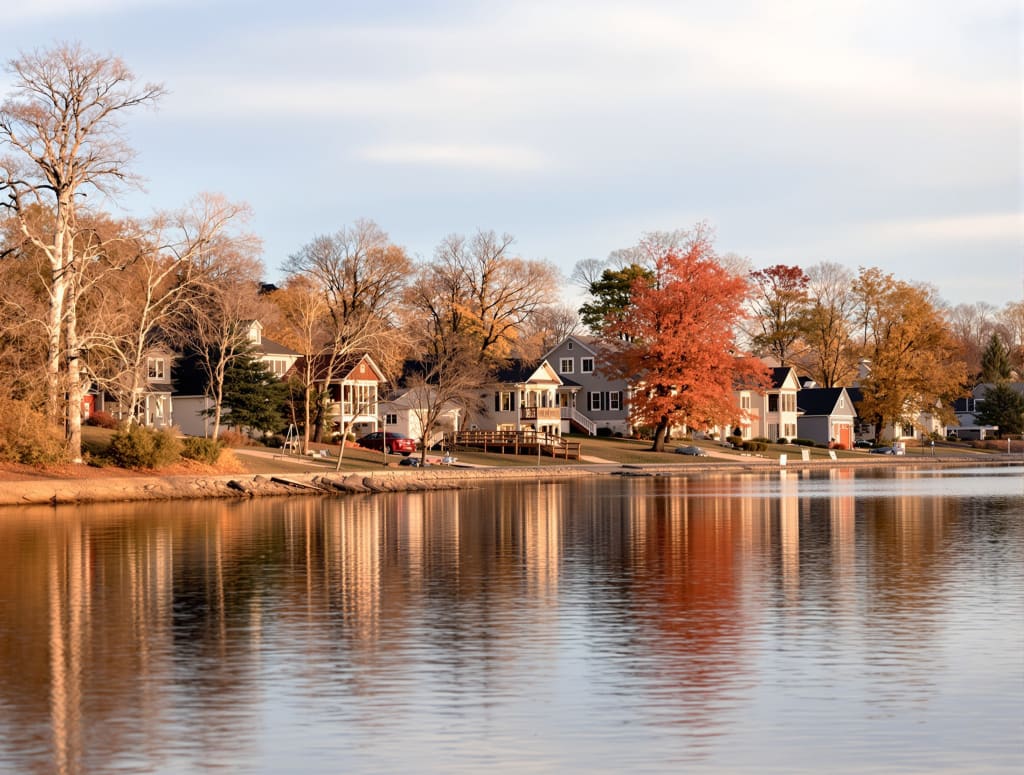
7 Madison Neighborhood "Vibes" Explained: Find Your Best Fit Without Touring 50 Houses
House hunting around Madison can feel like speed dating with floor plans: charming, exhausting, and oddly similar after the tenth showing. The good news is you don't need to trek through 50 listings to figure out where you'll actually feel at home. Neighborhood "vibes" are real—and once you learn to name them, you can filter your search fast, ask smarter questions, and spot the right blocks before you ever schedule a tour. Think of this as a shortcut map for Dane County decision-making, with a little permission to trust your gut.
How to use this guide: pick the 1–2 vibes that match your everyday life (not your aspirational weekend life), then look for homes that support that rhythm—commute patterns, errands, parks, and the kind of social energy you want around you. If you're buying, you're not just choosing a house; you're choosing the minutes between your house and the rest of your life.

1) The "Lake-Life Loop" Vibe (daily walks, water views, and a calm reset)
Some buyers light up the moment a lakeside path becomes part of their routine. If your best days include a morning stroll, a quick bike spin after work, or simply seeing water from the car window, this vibe matters more than square footage. In Madison, the lakes shape how neighborhoods feel—cooler breezes in summer, stunning sunsets, and that subtle sense that life isn't only errands.
What to prioritize: proximity to a lakefront park or multi-use path, reliable parking (especially in denser areas), and a layout that lets you drop bags and head outside quickly. On the real estate side, note that lake-adjacent homes can hold value well, but pricing is sensitive to micro-location—"near the lake" is not the same as "easy access to the lake." If you're comparing two similar homes, the one that makes the lake effortless often wins long-term happiness points.
2) The "Bike-First, Car-Optional" Vibe (connectivity over cul-de-sacs)
If you'd rather pedal to a friend's place than merge onto a busy road, look for neighborhoods where daily life is stitched together by trails and low-stress routes. Madison is famously bike-friendly, but the experience varies block by block. The best fit isn't just a bike lane; it's how quickly you can reach work, parks, and community spaces without feeling like you're taking your life in your hands at every intersection.
Home features that support this vibe: secure bike storage, a mudroom or entry space that can handle gear, and minimal "friction" between the front door and the route you'll actually use. Also consider winter reality—flat, well-maintained routes and nearby transit options can keep you sane when the weather turns.
3) The "Front-Porch Social" Vibe (friendly hellos and casual community)
This is for people who love the idea of borrowing a ladder, chatting during dog walks, and feeling known. You'll often see it in areas with sidewalks, older tree canopies, and homes that sit closer to the street. The neighborhood feels lived-in—kids heading to school, neighbors gardening, and regulars making the same evening loop.
Buying strategy: pay attention to porches, lot orientation, and the practical stuff that makes social living easier—guest parking, walkability to a park, and whether the street feels comfortable for lingering. For sellers, this vibe is marketable: good light, curb appeal, and a welcoming entry can translate directly into stronger showings.
4) The "Modern Convenience" Vibe (newer builds, easy systems, low surprises)
Not everyone wants a weekend project or a 100-year-old house's personality quirks. If your ideal home is quiet, efficient, and predictable, you'll likely gravitate toward areas with newer construction, larger garages, and layouts designed for today's routines. The vibe is streamlined: more open plans, more storage, fewer mysteries behind the walls.
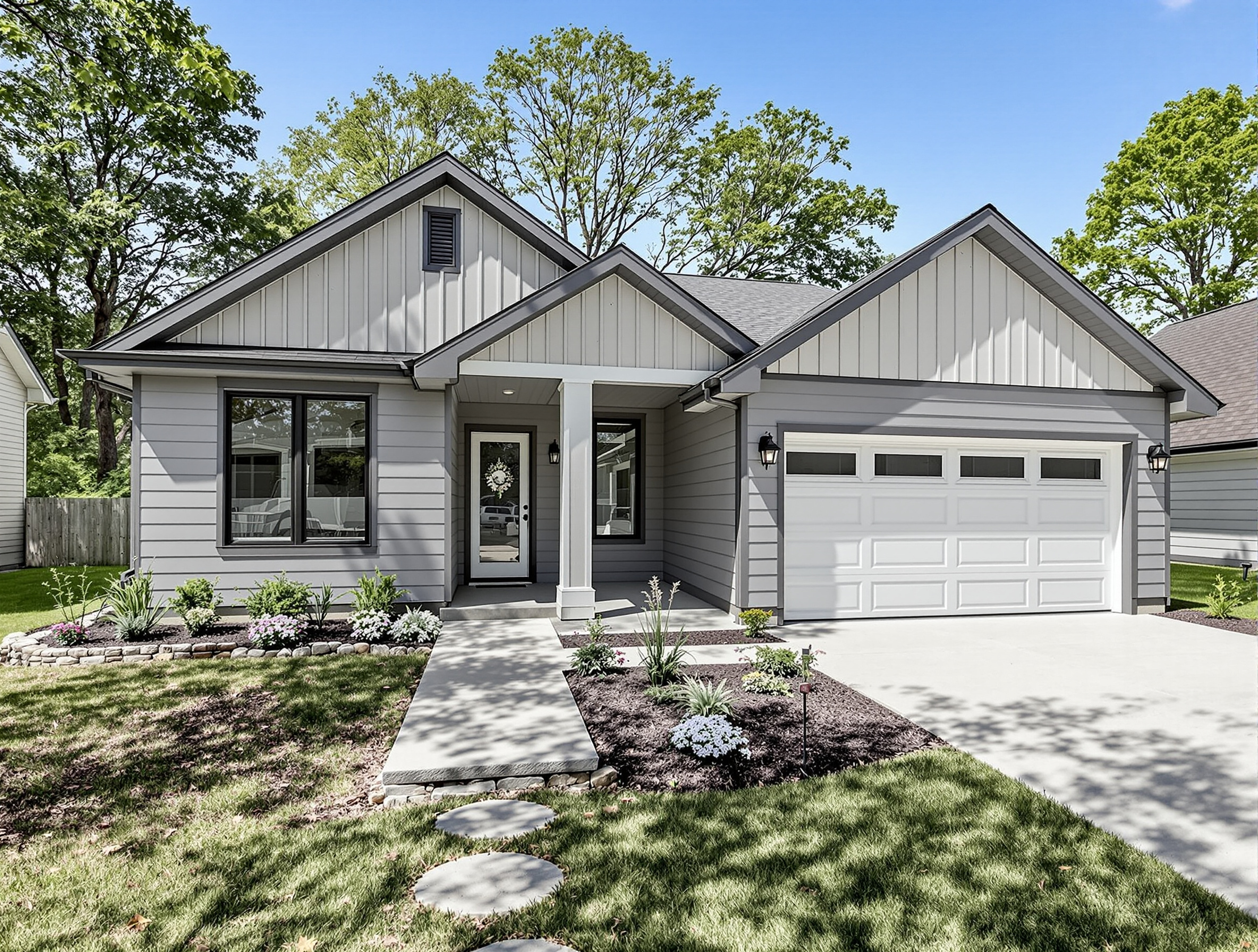
What to look for: HOA rules (if applicable), internet options, noise levels, and how quickly you can reach the services you use most—grocery, fitness, medical, commuting routes. In the Madison area, "convenience" can also mean being positioned well for Dane County employers while still having a buffer from heavy traffic.
Market note: newer homes often compete on condition and finishes, so pricing can move quickly when inventory is tight. If you're drawn to this vibe, it helps to decide your non-negotiables upfront (e.g., number of stalls, basement type, school boundaries) so you can act fast without second-guessing.
Quick self-check: If the phrase "preventative maintenance schedule" makes you feel calm instead of trapped, you're probably in the right category.
5) The "Academic Energy" Vibe (ideas, culture, and a steady hum of activity)
Some neighborhoods feel intellectually electric—libraries and lecture halls nearby, public events, and an easy sense that there's always something to learn. Even if you're not connected to the university, you might love that cultural pulse: museums, music, and community programming that keeps your calendar interesting.
Real estate considerations: parking, rental density on certain blocks, and how seasonality affects traffic patterns. The upside is a strong rental market in many adjacent areas (useful for buyers thinking about future flexibility), plus enduring demand that can support resale. The tradeoff can be noise or congestion in select pockets—so the best approach is micro-targeting: specific streets, not broad labels.
6) The "Family Basecamp" Vibe (parks, routines, and room to grow)
This vibe is about the weekly flow: school drop-offs, playground time, sports practices, and the kind of neighborhood where you can build long-term traditions. In Madison's broader metro, plenty of areas offer that "basecamp" feel—more yard space, quieter streets, and an emphasis on practical function over flash.
Look for: nearby parks, safe walking routes, storage (seriously), and layouts that flex as life changes—office-to-bedroom conversions, finished lower levels, and kitchens that can handle real traffic. School considerations often come up here, and it's smart to treat them as part of a bigger quality-of-life picture: commute times, after-school options, and how the neighborhood supports day-to-day independence as kids grow.
7) The "Nature Buffer" Vibe (trees, trails, and a breath of space)
If you want to feel like you've stepped out of the city without giving up access to it, prioritize neighborhoods near greenbelts, conservancies, and trail systems. This vibe is less about being in the middle of everything and more about having a reliable escape hatch—ten minutes outside, and your shoulders drop.

Home characteristics that pair well: bigger lots, mature landscaping, decks or patios you'll actually use, and windows positioned for privacy. It's also wise to ask about drainage, wildlife, and seasonal maintenance (leaf drop is real). For many buyers, the nature buffer is the difference between "nice house" and "I can picture my life here."
When comparing options, consider the invisible factors: morning light, traffic sound, and how quickly you can reach the things you can't do without—schools, work corridors, and healthcare. This is where local knowledge becomes a real advantage; two homes a mile apart can live completely differently.
How to narrow to 3 neighborhoods in one afternoon (without burnout)
- Define your "Tuesday test." Where do you go on an ordinary weekday—work, gym, childcare, errands? Choose vibes that make Tuesdays easier.
- Pick two must-have anchors. Examples: a lake path + quick commute, or parks + newer construction.
- Decide what you'll trade. More yard often means less walkability; more culture often means more activity. Tradeoffs aren't failures—they're clarity.
- Filter listings by friction. If the parking, layout, or route to your daily places feels annoying on paper, it will feel worse in real life.
Closing thought: choose the vibe, then choose the house
Madison isn't a one-note market, and that's the point: you can find a neighborhood that matches your pace, your priorities, and your definition of "home." If you want a steady hand sorting through Dane and Jefferson County options—pricing nuances, competitive strategies, and which pockets truly match your lifestyle—Jenna Moe of Real Estate Professional focuses on turning that complexity into a clear plan. Start with your vibe, build a short list, and let the right homes rise to the top with a lot less guesswork.